Live 3-week virtual training cohort · RPM + CCM
You Already Know Nursing. Now Learn How Nursing Works in Remote Care.
Build the knowledge and confidence to understand Remote Patient Monitoring and Chronic Care Management—from patient enrollment and device education to documentation, care coordination, escalation, and monthly workflows.
Intro to Remote Care is a live, 3-week training cohort designed not only for nurses and nurse practitioners, but also for physicians, practice managers, care coordination managers and specialists who want to understand what delivering patient care through RPM and CCM actually looks like.
You don't need to start over.
You need to learn how the clinical skills you already have translate into a different care environment.

You have the clinical experience. But remote care has its own language.
Ever Read a Remote Nursing Job Description and Wonder What Half of It Actually Looks Like in Practice?
You see terms like:
Remote care vocabulary
RPM
CCM
Patient Enrollment
Device Adherence
Escalation Protocols
Care Plans
Billable Minutes
EHR Documentation
You understand patients.
You understand assessment, education, communication, clinical judgment, and care coordination.
But remote care introduces a different set of systems, workflows, technology, documentation expectations, and day-to-day responsibilities.
And reading a job description doesn't show you how those pieces actually fit together.
That's the gap Intro to Remote Care is designed to help close.
This isn't about starting your nursing career over.
Your Clinical Experience Is the Foundation.
Remote care changes the environment in which nursing happens—but many of the clinical skills you've already developed still matter.
What's different is how those skills are delivered, documented, measured, and supported by technology.
Intro to Remote Care helps you understand that transition so you're not looking at RPM and CCM as unfamiliar acronyms.
You can begin seeing how your existing nursing experience connects to the actual work.
Skills you already have
How they show up in remote care
Patient assessmentRemote monitoring workflows and incoming patient health information
Clinical judgmentClinical alert review and escalation
Patient educationDevice education and adherence
CommunicationOngoing remote patient communication
Care coordinationOngoing CCM coordination with the care team
RPM
What is Remote Patient Monitoring?
Understanding RPM
Remote Patient Monitoring, or RPM, involves monitoring patient health information outside of a traditional clinical setting using connected devices and technology.
For a nurse working in an RPM environment, the role can involve much more than looking at numbers on a screen.
You may need to understand:
Patient enrollment
Device education
Adherence
Incoming health information
Clinical alerts
Documentation
Escalation processes
Ongoing patient communication
During this training, you'll explore how those pieces come together as part of an RPM workflow.
CCM
What is Chronic Care Management?
Understanding CCM
Chronic Care Management, or CCM, supports patients living with chronic conditions through ongoing communication, assessment, care planning, coordination, and follow-up.
That can require nurses to think beyond a single patient interaction.
You'll explore how CCM workflows can involve:
Comprehensive assessments
Care plans
Patient communication
Coordination with other members of the care team
Documentation
Timekeeping
Ongoing monthly patient management
RPM + CCM And because RPM and CCM can intersect, you'll also learn how the two models can work alongside one another.
What you'll learn
3 Weeks. 3 Live Sessions. A Practical Introduction to Remote Care.
The training is organized to take you from foundational concepts into the workflows, communication, documentation, and operational details involved in RPM and CCM.
Week 1Foundations, Rules & Systems
Week 2Enrollment, Devices & Clinical Workflow
Week 3Communication, Documentation, Billing & Quality
1Week 1
Foundations, Rules & Systems
Before you can understand the workflow, you need to understand the environment.
In Week 1, you'll build the foundation for how remote care works and what nurses need to consider when moving into RPM and CCM.
You'll cover
Introduction to Remote Care
RPM vs. CCM
Patient Populations & Chronic Conditions
Rules, Regulations & Nursing Scope
HIPAA & the Compliant Home Office
Computer & Technology Skills
EHR Knowledge & Expectations
The goal is to give you the context behind the terminology so the operational side of remote care starts making sense.
2Week 2
Enrollment, Devices & Clinical Workflow
Now we move into the actual work.
Week 2 focuses on how patients move into RPM and CCM programs and how nurses can participate in the day-to-day clinical workflow.
You'll cover
RPM Eligibility & Enrollment
CCM Eligibility & Enrollment
RPM Device Training
CCM Comprehensive Assessments
The CCM Care Plan
Clinical Knowledge & Patient Assessment
Daily RPM Workflows
Daily CCM Workflows
Care Coordination
Alert Management & Escalation
Instead of simply seeing these responsibilities listed in a job description, you'll develop a clearer understanding of what they mean within the remote-care environment.
3Week 3
Communication, Documentation, Billing & Quality
Remote care isn't only about clinical knowledge.
Communication, documentation, timekeeping, workflow discipline, and understanding how patient services are managed all play important roles.
In Week 3, you'll cover
Patient Communication & Education
Documentation Standards
Timekeeping
RPM Billing Fundamentals
CCM Billing Fundamentals
Managing Dual RPM + CCM
Monthly Patient Management
Noncompliance, Refusal & Discharge
Quality & Performance Expectations
By the end of the program, you'll have been introduced to the clinical and operational sides of RPM and CCM.
Who this training is for
This Could Be a Fit for You If...
You're a nurse or nurse practitioner interested in understanding remote or virtual care.
You've seen RPM or CCM positions but aren't completely clear on what the work involves.
You have clinical experience but limited or no direct RPM or CCM experience.
You want to understand common workflows before pursuing opportunities in this area.
You want to become more comfortable with the technology and systems involved in remote patient care.
You want greater familiarity with documentation, timekeeping, care coordination, billing fundamentals, and compliance considerations within RPM and CCM.
Or you're simply exploring another way nursing skills can be applied beyond traditional bedside environments.
No previous RPM or CCM experience is required.
What makes the transition different?
You Already Know How to Care for Patients.
The challenge isn't forgetting what you learned as a nurse and becoming something completely different.
It's learning to operate in a different care environment.

At the bedside
You may be able to observe a patient directly.
In remote care
Information may reach you through:
Patient conversations
Connected technology
Documentation
Alerts
Established workflows
That makes your ability to do these things especially important:
Assess information
Communicate clearly
Educate patients
Document accurately
Coordinate care
Recognize when something needs escalation
Intro to Remote Care is designed to help you connect those existing clinical abilities with the systems and processes used in RPM and CCM.
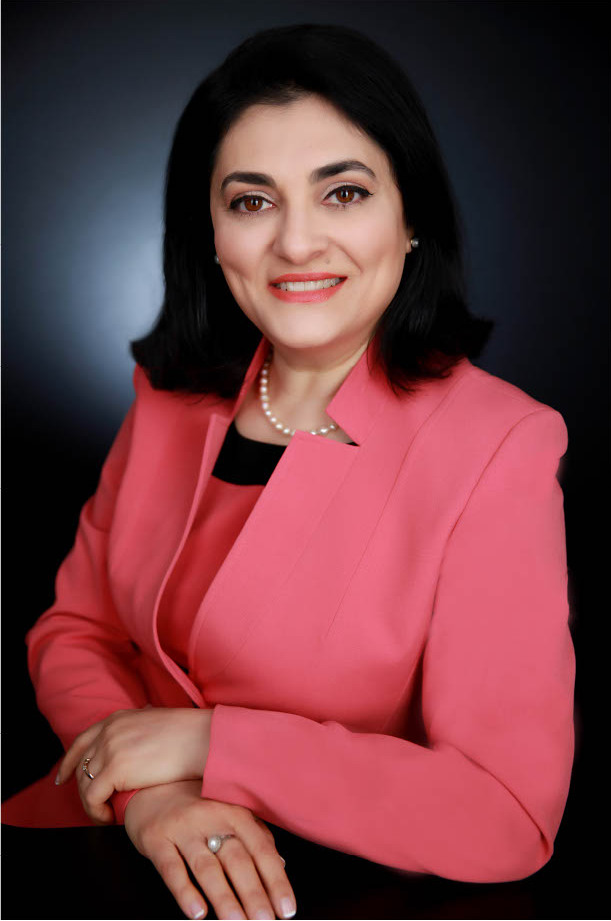
Meet your instructor
Learn With Elena Yakubov
Founder, Vesna Medical Staffing
Elena Yakubov is the founder of Vesna Medical Staffing and brings experience in nursing, healthcare leadership, recruiting, and hiring nurses.
Her work includes connecting nursing talent with the needs of healthcare organizations, including organizations operating within RPM, CCM, and remote healthcare delivery.
Nursing
Healthcare leadership
Recruiting & hiring nurses
RPM, CCM & remote healthcare delivery
That perspective brings an important dimension to the training:
Understanding remote care isn't only about learning terminology.
It's about understanding the clinical and operational expectations nurses may encounter when working in these environments.
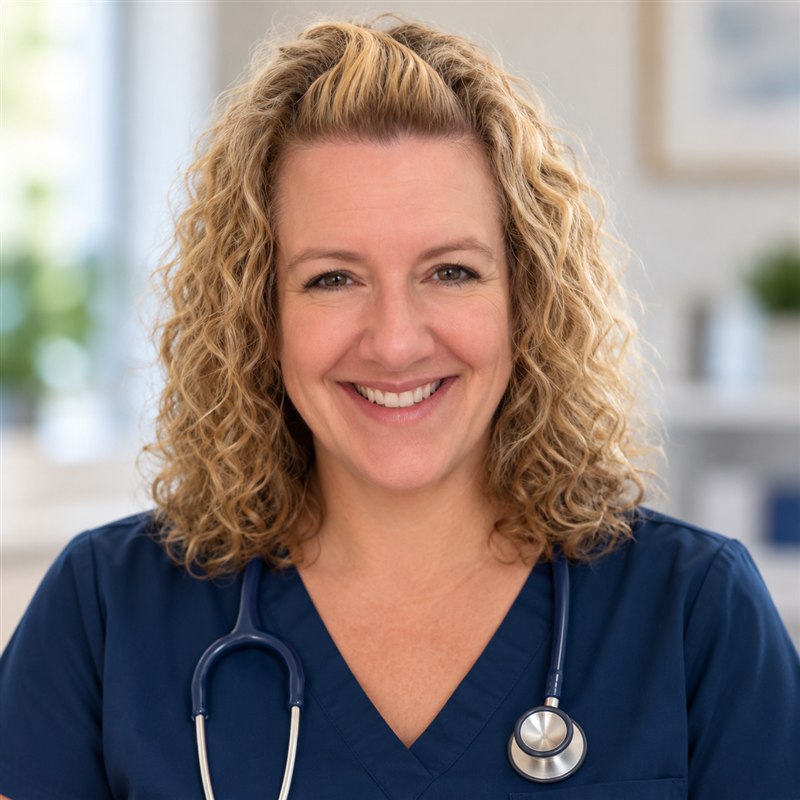
Meet your instructor
Learn With Paula Diener
Paula Diener has 36 years of nursing experience, including six in remote patient monitoring and chronic care management. She is Director of Clinical Services for an RPM/CCM provider, where she builds programs and trains care teams. She's known for taking her time and making complex topics
Cohort details
Your Intro to Remote Care Training Schedule
This is a live virtual 3-week cohort with 3 instructor-led sessions.
Session 1
Week 1
Wednesday
November 4, 2026
12:00 PM to 2:00 PM ET
Topic
Foundations, Rules & Systems
Session 2
Week 2
Wednesday
November 11, 2026
12:00 PM to 2:00 PM ET
Topic
Enrollment, Devices & Clinical Workflow
Session 3
Week 3
Wednesday
November 18, 2026
12:00 PM to 2:00 PM ET
Topic
Communication, Documentation, Billing & Quality
Can't Attend Every Session Live?
Recordings will be available to paying cohort participants so you can revisit the material covered during the program.
Your enrollment
Join the Next Intro to Remote Care Cohort
You don't need previous RPM or CCM experience to begin.
You don't need to abandon the clinical experience you've already built.
You need an introduction to the systems, terminology, workflows, and expectations that make remote care different.
Live virtual cohort
Intro to Remote Care
3-week live virtual cohort · RPM + CCM training
Intro to Remote Care includes:
3 Live Virtual Training Sessions
3 Weeks of Focused RPM + CCM Training
Access to Session Recordings for Paying Cohort Participants
Training Led by Elena Yakubov
Enrollment investment
$499
Enrollment closes November 3rd, 2026.
3 live sessions · Recordings for paying participants
From clinical experience to remote-care knowledge
You're Not Starting From Zero.
Think about what you've already spent years learning.
How to communicate with patients.
How to recognize important changes.
How to educate someone who doesn't understand their condition.
How to document care.
How to coordinate with other healthcare professionals.
How to use clinical judgment when information changes.
Those skills don't suddenly disappear because the patient isn't standing in front of you.
But applying them through RPM and CCM requires understanding a new environment.
That's what this training is built to introduce.
FAQ
Frequently Asked Questions
Do I need previous RPM or CCM experience?
No. Intro to Remote Care is designed to introduce nurses to the foundations, terminology, systems, and workflows involved in RPM and CCM.
Is this only for nurses who want to leave bedside nursing?
No. You may be exploring remote care as a future direction, looking to better understand RPM or CCM opportunities, or simply expanding your knowledge of how nursing is being delivered in different care environments. You don't need to make an immediate career change for the material to be relevant.
Will this program get me a remote nursing job?
This is a training program, not a job-placement program, and enrollment does not guarantee employment. The goal is to help you better understand RPM and CCM so you can become more familiar with the terminology, workflows, technology, documentation, communication, and operational expectations involved in remote care.
Do I need to be highly technical?
You don't need to be a technology expert. The training introduces the technology and systems nurses may encounter in remote-care environments and helps you understand how technology fits into the broader patient-care workflow.
Does the training cover both RPM and CCM?
Yes. The cohort introduces both Remote Patient Monitoring and Chronic Care Management, including areas where their workflows differ and where they can intersect.
Is the training live?
Yes. The cohort includes 3 live virtual sessions delivered over 3 weeks.
What if I can't attend a session live?
Recordings will be available to paying cohort participants, allowing you to revisit the material covered during the program.
When are the sessions?
Session 1: Wednesday, November 4, 2026 — 12:00 PM to 2:00 PM ET
Session 2: Wednesday, November 11, 2026 — 12:00 PM to 2:00 PM ET
Session 3: Wednesday, November 18, 2026 — 12:00 PM to 2:00 PM ET
How much does the program cost?
Enrollment is $499.
When does enrollment close?
Enrollment closes November 3rd, 2026.
What happens after I enroll?
After completing your registration, you'll receive confirmation and instructions for participating in the cohort.
You already know nursing. Now learn how nursing works in remote care.
Take the First Step Into Remote Care.
You've spent years developing your skills as a nurse.
You don't have to leave those skills behind to explore something new.
Learn how patient assessment, communication, education, documentation, clinical judgment, and care coordination translate into the RPM and CCM environment.
Build your understanding of the systems.
Learn the workflows.
Get familiar with the terminology.
And develop a clearer picture of what working in remote care can actually involve.
Intro to Remote Care
3 Weeks
3 Live Virtual Sessions
RPM + CCM Training
Session Recordings Included for Paying Participants
$499
Enrollment closes November 3rd, 2026.